Saturday, October 8, 2016

Dr. Ndu Felix Okwun Prolonging Life With Medicinal Herbs

By James Achanyi-Fontem, email: fecabpa@gmail.com
Dr. Ndu Felix Okwun is a trade-practitioner operating beside Red Cross First Aid Post in K-wn of the south west region.According to information sheets circulated, he is a producer of natural planetary herbal tea and syrups which act as a solution to high blood pressure, hypertension. It is known that Hyperion affects millions of people around the world and as a disease, it is capable of disabling and killing if not controlled. He is also interested in problems related to Fungi, very stubborn bacteria that attacks fingers and toes as well. Fungi can affect the whole body creating dark spots as symptoms generating internal heat, fever, poor blood circulation and stomach grumbling. This may result to haemorrhoids, seizure of menstruation in women, chlamydia, unnecessary tiredness sleepy condition and miscarriage in women. It results to low sperm count in men, Jedi-Jedi in children with continuous fever. Fungi can also create a situation of dysentery and diarrhoea, gastric and itches all over the body. This may lead to heart attacks, choking, hi-cough, bad eyesight and cardiac disability. Diabetic persons should be able to notice symptoms like increase in thirst,frequent urination, loss of weight, poor blood circulation in the legs, stress, heart attack, excessive food intake and general weakness. Another poor health symptom is coughing. Patients with cough may suffer from asthma, pneumonia, influenza, congestion of the lungs and chest pain. If any person coughs for up to two weeks or more, it is advised to make a tuberculosis test and if positive, start treatment immediately. Sickle cell anemia is already so common in our society and it is advisable to make a sickle cell anemia test before getting married because this is a hereditary problem created by genes. It is difficult to see a person and know whether he or she is sickle or not. Anemia is a condition where there is a reduction of a good quantity or quality of red blood cells ithe body. There is not enough haemoglobin available to carry sufficient oxygen from the lungs to supply the heart and body tissues. Diabetes and Exercise: A 10-Step Guide to Getting Started
Working Out With Diabetes 1Starting a workout program as an insulin dependent diabetic can be daunting, even if it’s something you really want to do. I hear a lot of diabetics say that working out scares them, or is very difficult, because they just end up treating low blood sugars all the time. That’s why I created this short guide to working out with diabetes. This 10-step list is based on my experience as a diabetic and fitness professional. It’s what has worked for me and what I teach my clients who have diabetes. The key is knowledge. When you learn how your body (and your blood sugar) reacts during different types of workouts, you will be able to manage your diabetes when working out, rather than letting your diabetes run the show. 10 steps to working out with diabetes
1. Set a goal – Be ambitious but realistic and take into account that you will spend a lot of time in the beginning learning your body’s limits and how it reacts to your workouts. Don’t expect dramatic results overnight 2. Start a written journal – It will be much easier to learn how your body reacts if you can go back and see what happened last workout (or last month) 3.Use your journal to track workouts, blood sugars, insulin, diet, etc. – Try to identify any trends (you always get low blood sugar when working out in the morning, best time to eat before workouts, etc.) 4.Stick with the same routine and diet for the first 3-4 weeks – The fewer variables, the easier it will be to see trends 5.Analyze your journal entries – Spend some time reading through your journal to spot patterns and understand how your body react to different types of exercise and food. If something isn’t working (like if you often have to stop your workouts because of low blood sugar), change ONE variable at a time to see if that helps. This could be changing what you eat before the workout or how much insulin you take 6.Consider changing your insulin levels – Working out will increase your insulin sensitivity a lot so if your blood sugar is consistently high or low throughout the day, it may be time to adjust your insulin. Share your journal with your endocrinologist and discuss if you should make any changes 7. Never starve yourself to lose weight! – Your body needs quality food to run, especially as a diabetic. Under eating is not a sustainable way to lose weight or manage your diabetes (you can check out myDiabetic Meal Plan example to see what I typically eat or Calculate Your Daily Calorie Need to create your own meal plan) 8.Prioritize lifting weights – Building a little muscle has helped me tremendously with controlling both my weight and my diabetes. More muscles mean higher metabolism, which means better weight control and higher insulin sensitivity (less insulin) 9.Find support – There are a lot of good groups on in most cities and on Facebook where you can connect with other diabetics for motivation and support. I have written a short post about How To Connect With The Diabetes Community 1-. Consider hiring a trainer – A personal trainer and nutritionists can help you create a good workout and diet plan (any good trainer can create your workout plan but don’t get diet advice from someone who doesn’t know a lot about diabetes). I offer customized Online Personal Training Programs for diabetics Asthma is a respiratory track infection that results to difficulty in breathing. Ou are advised to meet Dr. Ndu for counselling on how to avoid the different types of cancers that have been discovered. Eating of vegetable and fruits can help a lot in reducing attack of cancer and other diseases.

Sunday, June 19, 2016

The Super Bone Building & Allergy Fighting Herb in Your Garden

By Michelle Schoffro Cook
It’s National Herb Week! To celebrate I thought I’d share some exciting herbal medicines with you. If you’re looking for an impressive natural anti-allergy medicine that offers many other health benefits, look no further than stinging nettles. The much-overlooked weed is popping up this time of year, as gardeners who experience its prickly stinging sensation can attest. Native Americans used this plant, aptly known as stinging nettles, for many years to treat a wide variety of health conditions. Research in the medical journal Phytotherapy Research shows what Native Americans have known for many years: nettles significantly reduce allergies. The study showed that nettles effectively treats inflammation linked to allergies on multiple levels: by reducing the histamine as well as multiple other compounds linked to inflammation. Histamine is a naturally-produced substance in the body that occurs as a response to exposure to allergens and the reason we experience nasal or sinus congestion, sneezing and other symptoms of allergies. Additional research published in the same journal found that participants taking nettles had noticeably improved relief of allergy-induced nasal congestion than those who received the placebo. Other research published in the journal Neuroscience Letters found that the herb demonstrated tremendous potential for alleviating many of the health concerns linked to diabetes: from reducing high blood sugar levels, neuropathy pain, the symptoms of excessive thirst to balancing insulin, weight and improving memory and cognition. And, if all that wasn’t enough: nettles contain an abundance of calcium, in a readily absorbable form, making them an excellent dietary addition to build and maintain strong bones. Nettles readily appear in the springtime, usually in the damp and shady parts of gardens or natural areas. Be sure to wear gloves while harvesting them to avoid their hair-like stingers and the discomfort they inflict on bare skin. You can add fresh nettles to soups or stews, sautee them like spinach or another green leafy vegetable or dry them for use in teas. They are popping up in greater frequency at farmer’s markets too for those who would rather avoid foraging for them. If you do forage for then, be sure you have an experienced guide with you. Alternatively, there are many teas and tinctures (alcohol extracts) available in health food stores. Follow package directions for the product you select. Dr. Michelle Schoffro Cook, PhD, DNM is an international best-selling and 19-time published book author whose works include: Be Your Own Herbalist: Essential Herbs for Health, Beauty, and Cooking (New World Library, 2016).

Does Listening to the Radio Affect Our Driving?

By Michelle Schoffro Cook
Most people would agree that listening to the radio is almost as much a part of driving as the actual driving. The two seem to go together like a hand and a glove. Whenever I’m driving, particularly on road trips, I crank up the tunes before I hit the road. But according to new research, listening to the radio while driving may not be the best idea. According to a new study by researchers at the University of Dublin, Ireland, listening to the radio while driving has a significant impact on whether we see an unexpected animal cross our path. Using a driving simulator, the researchers specifically assessed how likely we were to see a gorilla or elephant crossing our path while driving with the radio on. Perhaps these were not the best animal choices as few of us are ever likely to come across gorillas or elephants on our path. Instead, we’re far more likely to come across pedestrians, deer, cyclists, dogs or cats, but the study results make the point. Thirty-six drivers participated in the preliminary study. Half of the participants listened to the radio and were asked to listen for a switch from a male traffic reporter to a female traffic reporter, which is considered a task requiring minimal attention. The other half were asked to pay attention to traffic updates on a specific road, which is considered a task that requires far more attention. It would be fairly common to assume that regardless which task the drivers were given they’d be able to notice a giant animal like a gorilla or elephant on the sidewalk, but the study results suggest otherwise. Seventy-one percent of the first group with the minimal attention task were able to spot the giant mammals but in the higher attention task group, only 23 percent even noticed the elephant or gorilla. Additionally, the researchers noticed that the group performing the higher attention task were less likely to observe yield signals, recall vehicles they had passed, or be aware of their speed or reaction time to hazards. The researchers indicated that audio information seems to interfere with our ability to register visual information and that paying attention to something other than our driving has a significant impact on how observant we are while performing this important task. Obviously the size of the study group was small and further research with larger groups will yield more statistically accurate results, but it shines a light on the problems of distracted driving. And the radio tasks assessed during the study seem minor in comparison to talking on the phone or texting while driving, applying makeup, reading a map or GPS or eating or drinking while on the go. I’d be curious to see how poorly people drive while conducting any of these other tasks, yet I’m always surprised at just how many people regularly participate in extracurricular activities outside of the essential task of driving. Dr. Michelle Schoffro Cook, PhD, DNM is an international best-selling and 19-time published book author whose works include: Be Your Own Herbalist: Essential Herbs for Health, Beauty, and Cooking (New World Library, 2016).

Best Teas for Your Health Problem

By Michelle Schoffro Cook
Recently I participated in a guided meditation in which I was advised to visualize myself doing something that makes me happy. At the end of the meditation the woman leading it asked what I had envisioned. I visualized my husband Curtis and I taking our daily tea break. Between writing books and blogs, conducting magazine interviews, and the day to day challenges of life, our tea break provides me with the peace and calm I look forward to every day. What could be better than a respite from the busy-ness of daily life to enjoy tea with someone special: perhaps if that tea offered therapeutic value in addition to its soothing qualities? To that end I’d like to share some of my favorite teas that are both delightful and offer medicinal benefits so you can pick the best teas for your health problems. Allergies—Drink a cup of nettles to reduce allergies and allergy symptoms such as nasal and sinus congestion, sneezing and itchy eyes. Research published in the medical journal Phytotherapy Research found that nettles were effective against symptoms of seasonal allergies. Anxiety or Depression—Select lavender flowers to reap the rewards of this fragrant plant’s natural mood-boosting and calming effects. In a recent study comparing the effects of a medication for depression to drinking tea made from lavender flowers, scientists found that lavender was slightly more effective than the antidepressant drug. Study participants drank two cups of lavender tea daily to reap these effects. Coughs or Viruses—If you’re suffering from a persistent cough or fighting off a virus, then it’s thyme for tea. The herb is highly antiviral and arguably the best herbal remedy for coughs, applications that are even approved by the German government as medical treatments for these conditions. Migraines and headaches—Choose feverfew, a proven migraine and headache remedy. You probably won’t notice immediate migraine relief but consumed on a daily basis for at least a month and you’ll likely experience a reduction in the frequency of your migraines. Muscle or joint pain—Choose ginger tea made with fresh ginger root. Ginger contains a unique compound known as gingerols that are proven pain relievers. According to research published in the Journal of Pain, ginger was found to alleviate muscle pain. Other studies demonstrate its effectiveness against joint pain as well. To reap the most benefits, you’ll want to make this tea differently than the others. Boil a 2 inch piece of ginger, coarsely chopped in about cups of water for about 45 minutes, then strain and drink as desired throughout the day. How to Make Herbal Teas Use one teaspoon of the dried herb per cup of boiled water (or two teaspoons of the fresh herb). Let steep for at least 10 minutes then drink two to three cups daily for best results. Because ginger is a root, the medicinal properties are best extracted by making a decoction, which involves boiling the herb for at least 45 minutes. Dr. Michelle Schoffro Cook, PhD, DNM is an international best-selling and 19-time published book author whose works include: Be Your Own Herbalist: Essential Herbs for Health, Beauty, and Cooking (New World Library, 2016).

6 Little-Known Nutrients that Build Better Vision

By Michelle Schoffro Cook
An old adage says that eyes are the windows of the soul, but we also rely on them for just about everything we do in life. It’s important to take good care of our eyes and vision through a largely or entirely plant-based diet. While there are many vitamins and minerals needed for healthy eyes and vision, it’s also important to get enough of the lesser-known nutrients that help in this area. Here are some of critical vision nutrients and the foods in which they are found: Alpha carotene—This type of carotenoid, which is in the group of about 700 different yellow-orange-red pigments found in many fruits and vegetables, tends to take a back seat to beta carotene, but is equally important to eye health. This nutrient is found in apricots, broccoli, carrots, collards, leafy greens, kale, mangoes, papayas, peaches, sweet potatoes, pumpkin, spinach, squash and tomatoes. Beta carotene—Okay, most people have heard of beta carotene, but no article on nutrients for better vision would be complete without mentioning this essential eyesight-protecting nutrient. It’s found in many of the same foods as alpha carotene, including: apricots, broccoli, carrots, collards, leafy greens, kale, mangoes, papayas, peaches, sweet potatoes, pumpkin, spinach, squash and tomatoes. Lutein—This fat-soluble nutrient is normally present in healthy eyes, but can become depleted over time. It acts as an antioxidant within the eyes to protect them from free radical damage. Lutein is a yellow-colored pigment found in many foods, including: apricots, avocados, broccoli, carrots, collards, eggs, leafy greens, kale, leeks, mangoes, papayas, peaches, sweet potatoes, pumpkin, spinach, squash and tomatoes. Naringin—If you’ve ever bit into a grapefruit and tasted their signature bitter-sour flavor, you’ve tasted naringin. This bitter-tasting plant nutrient is a powerful antioxidant that helps protect the retina in the eyes. It is mainly found in grapefruit. Rutin—Without rutin, your body cannot properly absorb vitamin C. Rutin is a powerful nutrient that improves overall eye health and strengthens blood vessels, especially the small capillaries. Because it also improves circulation and acts as an antioxidant against free radical damage, it’s especially helpful for diabetic retinopathy. It is found in citrus fruits, red apples, apricots, bilberry fruit, blackberries, broccoli, buckwheat, cherries, black currants, grapes, nuts, onions, peppers, plums, prunes, rose hips and tea. Zeaxanthin—This nutrient shares some of the same effects of lutein. It helps prevent against age-related macular degeneration of the eyes, which is a cause of blindness in the elderly. This important eye-protecting agent is found in apricots, broccoli, carrots, collards, eggs, leafy greens, kale, leeks, mangoes, papayas, peaches, sweet potatoes, pumpkin, spinach, squash and tomatoes. When it comes to nutrients for eye health, seeing is believing. The best way to see well for life is to see a wide range of yellow, orange, red, and green foods on your plate every day. Dr. Michelle Schoffro Cook, PhD, DNM is an international best-selling and 19-time published book author whose works include: Be Your Own Herbalist: Essential Herbs for Health, Beauty, and Cooking (New World Library, 2016).

Study Links Cell Phones to Brain Cancer

By Michelle Schoffro Cook
A new landmark study released by the National Toxicology Program, a part of the National Institutes for Health, found that cell phone radiation may be more dangerous than previously believed. The animal study assessed the effects of radiofrequency radiation (RFR) imparted by cellphones to determine whether there is a link to cancer. The study found a link between cell phone radiation and brain cancer as well as cancerous tumors of the heart. The partial evidence links cell phones to low occurrences of these cancer types and tumors–which, even at low levels, is worrisome for everyday cell phone users. The animals were exposed to radiation as early as in utero and throughout their lifetime to determine the possible ramifications of cell phone exposure. While I don’t endorse the study’s methodology, I think it’s important that we know the radiation risks for humans. The results link a type of brain cancer known as glioma as well as cancerous heart tumors to cell phone radiation exposure. This information is just one part of a multi-year study that is still ongoing. Additional animal studies assessing the radiation-cancer risk are currently underway at the National Institutes for Health. According to the study scientists: “Given the widespread global usage of mobile communications among users of all ages, even a very small increase in the incidence of disease resulting from exposure to RFR could have broad implications for public health.” The study supports the World Health Organization’s (WHO) declaration that cell phone radiation is a “possible carcinogen”—an announcement the organization made five years ago. At that time, the WHO found an increased risk of glioma, a type of brain cancer, in those exposed to cell phone radiation. Some of the possible symptoms of glioma include: headache; seizures; weakness in the arms, face or legs; numbness; or speech problems. Additional studies link cell phone radiation exposure to lower sperm counts and damaged sperm in men. More research outlining the health effects of cell phone radiation is needed, but that doesn’t mean you shouldn’t take precautions if you use a cell phone. While there are no known ways to completely remove the health risk from cell phone radiation, according to the Environmental Working Group (EWG), here are some suggestions to reduce the damaging effects of cell phone radiation exposure: • If you’re going to use a cell phone, text more and talk less, to cut down on the amount of radiation to which you’re exposed. • Use your phone when there are more bars indicating a stronger cell phone signal. Research shows that radiation exposure increases when cell phone signals are weak (fewer bars). • Use your phone in speaker mode rather than against your head or in your ear. Of course, it’s still a good idea to use common courtesy when your cell phone is on speakerphone by going outside or finding a spot away from restaurant, café, or other public venues. • Limit cell phone use if you are pregnant. • Avoid using “radiation shields” as they reduce the quality of the phone connection, thereby forcing the phone to transmit with greater energy and higher amounts of radiation. • Don’t keep your phone in a pocket or clipped onto a belt. Check out my blog “14 Ways to Reduce Cell Phone Radiation Exposure” for more ways to reduce your risk. Dr. Michelle Schoffro Cook, PhD, DNM is an international best-selling and 19-time published book author whose works include: Be Your Own Herbalist: Essential Herbs for Health, Beauty, and Cooking (New World Library, 2016).

Common Medication Increases Dementia Risk by 52%

By Michelle Schoffro Cook
If you think your memory isn’t what it used to be, you might want to check the medications you’re taking. Two months ago I shared news that common over-the-counter and prescription drugs used in the treatment of heart disease, allergies and lung disease are causing brain shrinkage and memory impairment. But a new study published in the Journal of the American Medical Association (JAMA) adds another group of commonly-used medications to the growing list of drugs that cause or increase the risk of dementia. As part of the research, 73,679 dementia-free participants 75 or older were evaluated. The study found that the widely-used group of medications known as proton pump inhibitors, which are used primarily in the treatment of stomach acid increased the risk of dementia. Also used to treat heartburn, indigestion, ulcers and gastroesophageal reflux disease (GERD), these drugs were found to increase the risk of dementia by a whopping 52 percent! The connection between PPI drugs and dementia was so strong that the study authors concluded that avoiding these drugs may actually prevent the development of dementia. Dementia is not a disease unto itself; rather, a collection of symptoms involving a decline in memory or thinking that is severe enough to impair a person’s ability to perform essential daily tasks. This can include: short-term memory loss, language impairment, difficulty focusing, lack of attention, and difficulty reasoning or using sound judgement. Some of the other side-effects of PPIs include: stomach pain, nausea, gas, vomiting, diarrhea, headaches, seizures, weight gain, kidney problems, dizziness, confusion, tremors, muscle cramps, coughing, among others. The first few sound like the precise symptoms for which the drugs are frequently prescribed, which makes me wonder about their effectiveness in the first place. Add to that a 52 percent increased risk of dementia and associated memory loss and these drugs don’t sound appealing at all. Of course, you should consult your physician before discontinuing these medications if you’re already taking them. These drugs are frequently taken with antibiotics to kill H. pylori infections that may be present in the gastrointestinal (GI) tract. These bacteria are linked with ulcers, particularly of the stomach or upper intestines, along with the inflammation, irritation or erosion of the stomach lining. Fortunately, some beneficial bacteria and yeasts have shown great promise in the treatment of these conditions, without the lengthy list of side-effects or risk of dementia. The best probiotics for this purpose include: Bifidobacteria bifiform, various Lactobacillus strains and the yeast Saccharomyces. All of these probiotic strains have been found in research to be effective in the treatment of H. pylori and related GI irritation, inflammation or erosion. Dr. Michelle Schoffro Cook, PhD, DNM is an international best-selling and 19-time published book author whose works include: Be Your Own Herbalist: Essential Herbs for Health, Beauty, and Cooking (New World Library, 2016).

The Horrifying Truth About Avocados

By Beth Buczynski
Avocados are a truly spectacular food. Packed full of good fats, carotenoids, folate, and yes, even cancer-fighting nutrients, some have argued that the avocado could be the world’s most perfect food. Just a single bite of this creamy, earthy fruit (yes, it’s a fruit) and you’ll find it difficult to argue with this superlative. If it seems too good to be true, you might just be right. I recently learned that like diamonds, avocados have a dark and bloody side that almost no one knows about. The avocado tree is native to Mexico and Central America, so it comes as no surprise that this region still produces most of the world’s supply. In Western Mexico, “avocado farms occupy vast stretches of land, and the rows of low-growing trees resemble the olive gardens of southern Europe,” writes Jan-Albert Hootsen for Vocativ.com. This idyllic setting indicates nothing of the sinister side of the avocado trade, however. In Michoacán, a state in western Mexico, the avocado is commonly referred to as oro verde, green gold, because it yields more cash than any other crop—including marijuana. And anytime there’s money to be made, corruption isn’t far behind. “A drug cartel known as the Caballeros Templarios, the Knights Templar, has infiltrated the avocado sector, and now controls the local trade, from production to distribution,” writes Hootsen. “The cartel derived from an earlier group of drug traffickers known as La Familia Michoacana…Not content to traffic marijuana, cocaine and heroin, La Familia set up a variety of extortion rackets in Michoacán. The avocado business was one of them.” Now, farmers must deal with constant extortion, and the reality that The Templarios could take over their plantations and packing plants whenever they want. The cartel always gets what it wants, both from the avocado farmers and the government bodies that are supposed to regulate them. Through bribes and the threat of violence, Templarios have gained access to official lists of farmers, how much land they cultivate, and how much they produce. This way, the criminals know exactly how much money to demand from the farmers. “Every link in the avocado production chain is a cash cow for the cartel, from the quadrilleros, or pickers (whose employment agencies are forced to pay $3.50 per worker per day), to those who buy, develop and sell plantations,” writes Hootsen. “The extortion racket is lucrative. In some municipalities, the estimated proceeds come to $3 million per year.” The truly horrifying part is that unlike drugs and human trafficking (the other favorite pastimes of the cartel) we are all culpable. More than 80 percent of Michoacán’s avocados are exported to the United States. That means every time we crack open one of these precious green fruits, every time we dip a chip into a bowl of guacamole, we’re helping to fuel the cartel’s violent takeover of the avocado industry in Mexico. The only way to avoid being part of this vicious cycle is to seek out domestically grown avocados, such as those from California, and to support farmers’ rights around the world.

Sunday, September 27, 2015

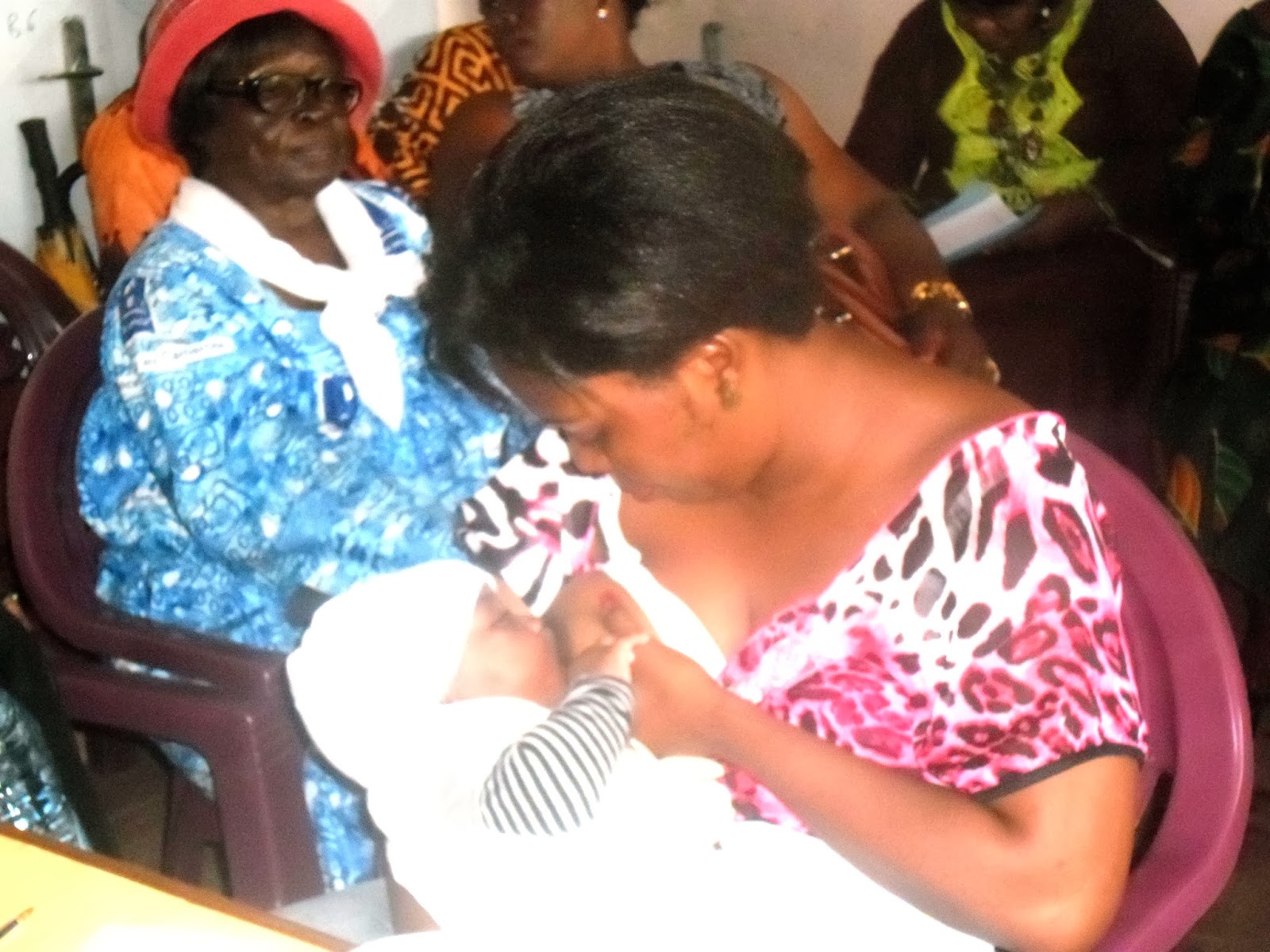
La 15ème ASSEMBLEE GENERALE DE LA FECAPBA TENUE A DOUALA Par Priscille Mouto, COGESID Bonamikano Le 1er août 2015, était 12H30min, lorsque le président de la FECAPBA, Mr. James Achanyi Fontem prend la parole et déclare la 15ème Assemblée Générale ouverte en présence des membres et jeunes filles en âge de procrée, Femmes enceintes, femmes allaitantes avec leurs bébés’, et quelques hommes comme partenaires des femmes mariés en salle. Les membres de la FECAPBA sont venus de Yaoundé, Mbalmayo, Sud- Ouest, nord ouest et le littoral.
Le président de la FECAPBA a commencé par les informations concernant les changement qui ont eu lieu dans le réseaus IBFAN Africa et WABA. Il a révélé que Ms Barbara Nabulanga a remplacée Mme Joyce Chanetsa comme Coordinatrice d’IBFAN Africa et que M. Jay a remplacé Mme SZarah Amin comme directeur de WABA. Mme Julianna Lim Abdullah a démissioné de son poste de directeur adjointe de WABA pour s’occuper de sa famille. IBFAN et WABA sont le partenaires clés de la FECABPA, il a ajouté. Il a condamné les hôpitaux qui ventent le lait artificiel aux mères allaitantes très mois chères en disant que ceci est contre le reglement de 2005 signé par le premier ministre du Cameroun. Il précise que la FECABPA n’est pas contre l’utilisation du lait artificiel puisqu’il y aura toujours des mères incapables d’allaiter les enfants, mais la vente dulait ne doit pas être fait dans les hôpitaux. Il a demandé aux mères de chercher les conseilles des médecins ou sages femmes en cas des difficultés.
Après avoir présenté le thème de la Semaine Mondaile d’allaitement 2015 qui était « Allaitement et Travail : Tous au boulou », il a insisté que les mères allaitantes ont besoin d’être protéger. Après l’introduction , Mme Lissouck Germaine de l’Association NOLFOWOP de Yaoundé a pris la parole pour présenter le rapport de la 14è assemblée générale en 2014. Le rapport est suivi par une causeries éducative animés par Mme Mary Ngwa de COGESID Mambanda, Mme Honorine Mbarga de l’AFFE Mbalmayo , M. Samuel Mbah de MEWA de Nkomba et Mme Germaine Lissouck de NOLFOWOP de Yaoundé. Mr. Mbah Samuel de MEWA, a enseigné une chanson aux mères qui disqit que <> il a ajouté que les mamans doivent venir aux causeries éducatives avec leurs maris parce que le bébé se fait à deux. Mr. Emmanuel Atanga d’Achenadia Development Assiciation de Lebialem,a continué avec l’information sur l’allaitement par les bonnes gestes qui reflétaient les différente positions pour tenir le bébé pendant l’allaitement. Il a aussi enseigné aux femmes comment applaudir pour les bébés. Ceci est de promouvoir l’attachement entre la mère et son enfant. La fin de la causerie a été fait par le président de la FECAPBA qui a présenté les avantages de l’allaitement maternel. Avant de se séparer il y a eu une séance d’évaluation par les participants, suivi de la remise de cadeaux (Tee-shirt de l’allaitement maternel) aux mères et quelques papas après ils ont donnés leurs appréciation encourageant les femmes a allaiter leur bébés exclusivement pendant le premier six mois après la naissance. Les pères ont promis d’être à côté leurs femmes pour les encourager. Mme Germaine Lissouck de NOLFOWOP a payé la somme de dix mille (10,000 )FCFA comme une partie leur cotisation annuelle. Les travaux ont terminés par une réception et le remboursement des frais de transport des membres de la FECABPA et les facilitateurs. M. James Achanyi-Fontem a informé les membres de la FECABPA que la Coordinatrice de IBFAN Africa sera au Cameroun dans la période Octobre/Novembre 2015 pour apprécier les contributions du Cameroun au réseau. La conférence régional de l’IBAN Africa aura lieu à Kampala, Ouganada du 1er au 4 Février 2016 et la Conférence mondiale de l’allaitement est programmé à Johannes bourg, Afrique du Su en Décembre 2016. M. Achanyi Fontem, étant le point focal de WABA et IBFAN Africa au Cameroun a organisé la SMAM sans la contribution du MINSANTE et UNICEF pour la premier

Monday, January 27, 2014

UNICEF Visits FECABPA In Grand Hangar-Bonaberi

By Helen Ayamba, camlinknews
UNICEF Cameroon Nutrition Officer, Dr. Ines Lezama, was accompanied by her colleague of UNICEF Office in Dakar, Senegal during a work visit to the secretariat of the Federation of Cameroon Breastfeeding Promotion Associations, FECABPA, in Grand Hangar neighbourhood of Douala on 11th January, 2014. During the brief working session, the President of FECABPA Administrative Council, James Achanyi-Fontem, welcomed the guests, wished them a Happy New Year and presented the FECABPA secretariat before members and lactating mothers individually introduced themselves.
Journalists of Canal 2 Tv who accompanied UNICEF on the field trip conducted interviews which led to the appraisal of the mothers’ understanding of the different best breastfeeding positions. One of the members of FECABPA coached a lactating mother during the exercise.Other members used the opportunity to explain the roles they played during the last World Breastfeeding Week. The visit ended with the taking of a souvenir group photo. In a message received from Dr. Ines Lezama, she wrote: “Many thanks for the complete report of World Breastfeeding Week 2013. Appreciated the effort that you have done for organizing with success the activities. Many thanks also for the welcome in Douala. it was wonderful to meet you, your team and mothers in Grand Hangar, All the images will be diffused in tv and sound in radio. EBF, BF is a key important issue for UNICEF and having the opportunity to showcase it is great.”
In another story, the members of the “Organisation des Femmes de Mambanda (OFM)” presented New Year wishes to the PCA of FECABPA just after the visit. The women lauded the technical support received for organizing the WBW 2013 and promised to strengthen the relationship with FECABPA through greater participation in activities during 2014.

Sunday, December 29, 2013

HEDEC During WBW 2013 In Bamenda

Health Development Consultancy Services (HEDECS) P.O Box 798, Azire, Bamenda, NW Region CAMEROON Email: hedecsngo@yahoo.com
HEDECS is a community based organization and participated in the World Breast Feeding week with activities in two Sub divisions in the North West Region of Cameroon. HEDECS worked with various local Health Centers and some community actors in order to get out information to the population. During the World Breastfeeding Week, HEDECS was determined to reach out more communities with messages of exclusive breastfeeding than before. Divisions of coverage of breastfeeding week activities were Mezam, which included Bamenda whereby we targeted the Bamenda main market and other communities; Bui, which included Kitiwum, Kikiakom, Kai,Kumbo CMA, BBH, and Kumbo Urban. HEDECS staff and volunteers presented educational talks about exclusive breastfeeding at Health Centers and other facilities in these communities. These talks were well received by the local Health Center staff and by their participants (ANC and IWC), students from the Bamenda Regional Nursing School, and members of other communities. The communities had many questions which were addressed by the presenters. HEDECS also partnered with local radio stations to help deliver key messages. In Bamenda, HEDECS staff and volunteers participated in radio talk shows at Radio Hot Cocoa and NDEFCAM Radio whereby these radio shows reached thousands of listeners. HEDECS organized two march passes in Kumbo West whereby women, men, and youths participated in the march. The march went through the street of the Kumbo urban IHC and a street at Kitiwum where participants carried signs with messages about breastfeeding to help get out our message. We reached out several health centers and other areas in communities in our two target Sub-Divisions with IEC materials (t-shirts, exercise books, soaps, posters and flyers).
HEDECS’ Methodology  Mobilize and attend briefings at the RDPH Bamenda  Education and sensitization of men and women of child bearing age on exclusive breastfeeding in Bamenda  Educative talks to women and men during ANC and IWC at local health centers in Bamenda  Educative talks to students at the regional Nursing School Bamenda  Radio talks at 2 local radio stations in Bamenda  March pass to promote exclusive breastfeeding in Kumbo  Educative talks at ANC and IWC in Kumbo  Discussion and exchange of ideas with community local groups in Bamenda and Kumbo  Distribution of IEC materials o exclusive breastfeeding in Kumbo and Bamenda ACHIEVEMENTS  2 Internal planning meetings were held  2 external planning meetings were held - 2 external planning meetings with the RDPH - 1 external planning meeting with the Regional Delegation of Women Empowerment.  2 march pass in Kumbo  Distribution of IEC materials in the Bamenda main market, Regional hospital Nursing school, IWC Bamenda regional hospital, ANC Mendankwe IHC, Ntambang community, kitiwum IHC, Kia IHC, Kikaikom IHC, B.B.H, C.M.A IHC, Kumbo HIC, star sisters group in the Mendankwe community and in Kumbo.  Participation in 2 radio interactive talk shows on two local radio stations with great participation of the population. - 1 radio talk show on NDEFCAM radio - 1 radio talk show on Hot cocoa with interactive calls. - 2000 persons were reached during the radio talk shows  HEDECS Face book and blog postings reached a huge online population- 572 women, men, youths were addressed face to face, educated and sensitized about Exclusive Breastfeeding. - Sensitization and education of at least 3 health centers in the Mezam and Bui divisions. - Infant welfare clinic at the Kitiwum health area with 24 participants - Infant welfare clinic at the Kumbo CMA with 47 participants - Kia IHC with 40 participants - Infant welfare clinic at Kumbo urban IHC with 37 participants Sensitization and Education in two local communities at Mendankwe star sisters group with 23 participants and Ntambang Mbororo community with 15 participants Sensitization and education of workers in 3 health center in Mezam and Bui divisions. At the Infant Welfare Clinic at Bamenda Regional Hospital attendance was 120 participants and at B.B.H. ANC received 66 participants, while at B.B.H. IWC 56 participants turned out.  Sensitization and educative talk at the Bamenda main market with 50 participants.  Sensitization and education at the Bamenda regional hospital Training school with 61 participants.  Briefing on EB at the RDPH Bamenda, preventive hall with 33 participants.
DIFFICULTIES ENCOUNTERED  The quantity of materials received by HEDECS for this program was more as compared to last year though it was still not sufficient.  The seed grant resource was very small for reaching out to different communities especially those in rural areas with very bad roads and moving to some of the communities was very costly and tedious.  Some women especially the mbororo community could not read nor write. Therefore distributing the brochures was a waste of resources. The organisation looked for persons who translated materials in local language verbatim during educative talks. This made HEDECS to spend more time explaining the brochures and posters in local languages and Pidgin English for them to better understand.  Most of the participants in the communities thought that the program had extra motivations for them (like money and food). RECCOMENDATIONS  More materials should be provided to the organisations during next WBW.  A proper mobilization and sensitization of the local population should be encouraged through local radio stations and community groups using local languages.  Means of transportation should be subsidized since some distances are too far to cover.  The week in Cameroon should be prepared well in advance to coincide with the World Breastfeeding Week celebration in other African countries. Cameroon’s celebration was long overdue. CONCLUSION HEDEC's participation in the breastfeeding week activity for the second time was a great success, although we encountered some difficulties. During this week, more women, men and youths were sensitized on the importance of exclusive breastfeeding and their questions were answered. We carried out so many activities to reach as many men, women and youths as possible which yielded more impact as compare to last year's activities. With proper planning and availability of resources, it is hoped that our activities in the subsequent years will yield more impact since other communities will be targeted.

Saturday, December 28, 2013

La SMAM 2013 A l'OUEST Cameroun

Par Mme Tchounga Ide Carine, Point Focal de FECABPA, Région de l’Ouest
Les activités ont commercé par la collecte des matériels de la SMAM en provenance de Yaoundé à Bafoussam par Mme Ide Carine tchounga, le Point Focal de la FECABPA à l’Ouest. Elle fait une demande d’autorisation d’affichage des banderolles de la SMAM au Maire et recrute deux garçons qui sont motivés pour placer les banderolles et affiches à Bafoussam et Bafang.Le rapport couvre les activités menées, les forces et faiblesses avant une conclusion. Comme sur tout L’étendue du territoire Camerounais, la SMAM 2013 s'a été célébrée dans la Région de I'Ouest du 08 au 15 novembre 2013. Après la réception à la Délégation Régionale de la Sante Publique de l'Ouest du matériel envoyé par I'UNICEF, nous avons eu un entretien avec Ie Délègue Régional de la Santé Publique et avons repartis Ies matériels dans tous les Districts de santé que compte la Région de l'Ouest. Le matériel était complet à la différence du grammage du savon qui était de 200 grammes et non 400 grammes comme mentionnée dans le document d’expédition. Bafang et Bangangte ont eu les plus grandes quantités parce que ce sont ces deux districts de santé qui avaient été retenu pour mener les activités. La banderole a été attachée à Bangangté qui est la porte d'entrée de l'Ouest en venant de la région du centre. Dans le cadre de la célébration de la 21ème édition de la semaine mondiale de I'allaitement maternel sous le thème "Soutenir I’ allaitement aux côtés des mères", plusieurs activités ont été menées dans la région de I'Ouest par la Délégation régionale de la santé publique pour I'Ouest, I'Association des Femmes Medumba, I'Association des Femmes flambeau du Haut Nkam, la Radio Medumba à Bangangte et la Radio Flambeau de Banka- Bafang. a). Délégation Régionale de la santé publique de I'Ouest
La Delegation regionale de la sante publique de !'Ouest a réceptionnée les matériels envoyé par I'UNICEF et a organisé le dispatching dans tous les districts de santé de !'Ouest. Elle a aussi organisée la réunion de Briefing des medias et du personnel de la santé de tous les districts de sante de l'Ouest le 12 novembre 2013 dans sa salle des réunions. 30 personnels de la santé et de medias étaient invités et ont répondus effectivement présents. D'après I'ordre du jour préalablement établi, plusieurs interventions ont eu lieu. Pour le compte de la Délégation, Mme Momo Jacqueline a fait la présentation de la situation à l’Ouest après I ‘ouverture de la séance par le Délègue Régional de la Santé Publique. Mme TCHOUNGA Ide Carine de I' Association des Femmes Medumba et membre de la FECAPBA a présenté les défis et les réponses de la SMAM. Dans ses propos, le Délègue n'a pas manqué de remercier les différents partenaires qui ont permis I ‘organisation de cette semaine. Le jeu des questions réponses a permis à la fin de compléter les informations transmises au tours du Briefing. b- L'Association des Femmes Medumba
Dans Ie Département du Nde, I'Association des Femmes Medumba s'est suffisamment mobilisée dans les activités de sensibilisation, d'information et causeries éducatives planifiées. Pour cela, elle a fait des descentes dans des hôpitaux pour échanger avec les femmes internées dans le pavillon maternité et leur a remis des Tees-shirts et des cubes de savons. Elle est aussi allée dans deux associations AFINE (Association des Femmes Institutrices du Ndé) et ATS (Association des Travailleurs Sociaux) pour des causeries éducatives. Le passage de la présidente de cette association sur les ondes de la Radio Medumba a permis a plus d'un auditeurs d'avoir d'amples connaissances sur la bonne pratique de I’ allaitement maternel. c- L' Association des femmes Flambeau de Banka De par son dynamisme, cette association qui regroupe beaucoup plus les jeunes femmes qui procréent encore a vraiment pris les taureaux par les cornes. Elle est descendue au marché de Banka pour une sensibilisation et s'est rendue dans deux hôpitaux du district de sante de Bafang et a communie avec les femmes qui venaient d'accoucher. La Radio Medumba a avant la SMAM lu le communiqué de presse et pendant la SMAM elle a produit un magazine en français, un magazine en Medumba, un spot en français, une chronique et des émissions interactives sur I ‘allaitement maternel, avec de nombreux lots à gagner. e- La Radio Flambeau de Banka Tout comme à la Radio Medumba, elle a produits un spot, un magazine et des émissions interactives avec à la fin de nombreux lots à gagner.
Les forces et les Faiblesses de la SMAM 2013 a- Les forces de la SMAM 2013 Grace à la disponibilité du matériel et des gadgets, tous les districts de sante ont suffisamment sensibilisé les personnes cibles. A Bafang et Bangangte, les radios communautaires retenues ont fait la grande sensibilisation à travers les ondes et par des descentes dans les associations. Aux tours de la semaine plusieurs émissions interactives ont portées sur I ‘allaitement et de nombreux lots mis en jeux. A la Radio Medumba, 20 lots ont été gagnés et avec les restes de matériels il y'aura une prolongation de la semaine pour s'assurer que les messages diffusés aux tours de la semaine ont été retenus. Dans les hôpitaux de Bafang et de Bangangte, toutes les femmes qui ont accouchés pendant la semaine ont Bénéficiés des tee - shirts, et du savon, ce qui a été un élément galvanisant pour la pratique de I’ allaitement maternel.
b- Les Faiblesses de la SMAM 2013 La Délégation Régionale de la Santé publique pour l'Ouest a suffisamment impliqué les medias lors de la réunion de briefing même quand les moyens étaient faible. En dehors de la Radio Flambeau à Bafang et Medumba à Bangangte, seule la CRTV Ouest a été invitée à la réunion de Briefing, d’autres presses ont fait leurs contribution à travers les radio des proximités implantées à l’Ouest. Il y a une dizaine de medias prives installes dans la Région de l'Ouest. CONCLUSION La SMAM 2013 a connu un écho sans précèdent dans la région de I'Ouest grâce à I ‘implication de la FECABPA, les organisations de la société civile qui a utilisé le personnel de santé, les radios communautaires et les associations pour une large sensibilisation de la population. Grace à cela, les différentes cibles ont été largement atteintes.

Maleo Santé Plus Organise Causerie Educative A New Bell-Douala

Par Mme Kalngui Louise Florence
La semaine de I ‘allaitement maternel a été lancée le 08 novembre au Cameroun par le ministère de la santé en présence de ses partenaires. Dans l’aire de santé de New Bell, I ‘Arrondissement de Douala II, elle a été coordonnée par MALEO SANTE PLUS avec Mme Kalngui Louise Florence comme facilitatrice. Maléo santé est membre de la FECABPA. Apres avoir visité les formations sanitaires indiquées dans le rapport, force est de constater que le code de commercialisation du lait et des substituts est pratiquement inconnu du personnel de santé. La descente dans les quartiers nous rassure de L’adhésion des populations à la pratique de I ‘allaitement maternel, bien que nous sayons préoccupés par la méconnaissance des bonnes pratiques, et I’ effet des pratiques socio-culturelles négatives sur les mères allaitantes : • La consommation de I’ alcool et des boissons excitantes pendant la période de I’ allaitement ; • La consommation de I' eau par le bébé pendant les six premiers mois de sa vie; • Le délai entre la naissance de L’enfant et la première tétée ; • La malnutrition des mères allaitantes ; • Les pratiques culturelles pour rendre le lait abondant ; • La grande publicité des laits artificiels ; Le pouvoir d'achat bas des populations justifie la mal nutrition des mères allaitantes et la passivité des pères pendant cette période. La causerie éducative sur le thème a permis aux femmes enceintes et aux mères allaitantes présentes, de poser des questions sur les relations sexuelles avec le partenaire jusqu'à la nutrition pendant I’ allaitement.
Ceci a permis à MALEO SANTE PLUS et aux personnels soignants présents de corriger les mauvaises pratiques et préjugés, et de fixer les connaissances et la bonne pratique sur I ‘allaitement maternel. Les difficultés rencontrées sur le terrain, sont d'abord institutionnels dans la mesure où la semaine a connu la démobilisation à cause du report incessant de son lancement.La visite du Président de la République à Douala a cette période et la pluie qui s'est abattu n'a pas permis I’ arrivée de la cible a 100% au lieu de la causerie éducative. Pour notre cible qui travaille hors du domicile, la conservation du lait maternel reste un souci. La dernière difficulté étant d'ordre financier, I ‘association ne peut que se contenter de limiter son action pour I‘ instant, qu'a des zones accessibles pour elle. Comme perspective, le souhait de MALEO SANTE est d'étendre les actions vers des villages environnants et vers des associations masculines afin que les mères soient effectivement soutenues pendant la période de I’ allaitement. Throughout this week, the Ministry of Public Health with the support of partners, and the active participation of the Federation of Cameroon Breastfeeding Promotion Associations (FECABPA) deployed in various activities including sensitization and social mobilization within a concerted and comprehensive action to promote breastfeeding for maternal health and infant health protection. Cameroon Link took the opportunity to report on the outcomes of the first World Breastfeeding Conference organized in Delhi, India late 2012. The government of Cameroon is already acted on some of the recommendations of the conference. It was announced during meetings that the celebration of WBW 2013 should be taken as the beginning of preparations for the Regional Conference of IBFAN Africa scheduled in August 2014 at Kampala, Uganda. The activities programmed targeted expectant mothers, lactating mothers, youths, men, health workers, journalists and broadcasters. Football icon national goal keeper, Joseph Antoine Bell, was designated as the ambassador of breastfeeding in Cameroon.

WBW 2013 Community Outreach in Bonamikano

By Helen Ayamba, Email: camlink99@gmail.com
WBW 2013 activities in Bonamikano were organized by the Women Gender and Development Council (COGESID). This is a community based organization situated in a typically Douala traditional health area. COGESID Bonamikano is one out of six women gender and development councils created eight years ago with a CIDA seed grant for gender promotion by Cameroon Link. The CBO has been involved in WBW activities since its creation. The health area stretches to the banks of River Wouri with a small population living in a nearby island. Social mobilization and sensitization was piloted by Emma Mouto Priscille, who heads the CBO and is a member of FECABPA. She was assisted by other members of the national network, Londo Lobe, Benaimou Carole and a supervisor from the regional delegation of public health. The population of Bonamikano co-habit with a relatively large moslem community and this called for sensitization of the mother in the French, Douala and Toupouri local languages. The facilitators shared advice on good practice and the advantages of breastfeeding, emphasizing the importance of early initiation of breastfeeding within the first hour after delivery of a baby. Benaimou Carole talks about the physiological, economic and social impact breastfeeding has on a mother, family and the community as a whole. Water and other liquids were discouraged as part of the food of the baby before six months, because breastmilk contains enough water.
Answering questions on the number of times a baby needs to be breastfed, Priscille Mouto said, breastfeeding should on demand around the clock. Hygiene practice is very important and mothers were advised to wash their hands regularly before giving their breasts to their babies. Mothers were advised not to drink alcohol during breastfeeding, because it reduces the quality of breastmilk intake by the baby. A restitution of the educative talk by the mothers was organized and this permitted for distribution of T-shirts, exercise books and soap to all the participants. A family photo was taken to highlight the memories of the interactive session at Bonamikano.A member of ACMS used the opportunity to address the issue of family planning, adding that intensive practice of breastfeeding is also a method of contraception. Local language broadcasters attended the educative talk and used materials collected for animation of programmes in the Douala local language. 79 women and 6 men took part in the educative talk, social mobilization and sensitization campaign in Bonamikano.

WBW 2013 In Littoral Region of Cameroon

By Helen Ayamba, Email: camlink99@gmail.com
The briefing workshop in the littoral region was presided over by the delegate for public health, Dr. Martin Yamba, who lauded the presence of several health workers, leaders of nutrition organisations, journalists, men and women of radio and television of the public and private as well as the print media. He told the audience that the celebration of the WBW 2013 was moved from August to a later period for convenience of proper preparation to impact on a wider population throughout Cameroon. He added that the briefing aimed at reiterating the total engagement of the ministry of public health and the government to make exclusive breastfeeding and mother support a reality within all communities. All stakeholders are involved, so that the message can go across for good practice that gives babies their right to breastmilk exclusively for the first six months after delivery, with complimentary feeding thereafter and continued breastfeeding upto 24 months and beyond. Dr. Yamba observed that the theme of the WBW 2013 calls the attention to the need to support breastfeeding mothers. Fathers and partners of the mothers were invited to exercise their roles to facilitate action within the families and communities. He concluded by saying that the mode in our society is to see mothers attached to their babies and breastfeed them. Breastfeeding should be an obligation of all mothers for the promotion of child survival in Cameroon, the regional delegate emphasized. He invited the nutrition associations to carry out social mobilization and sensitization activities throughout health areas by reaching well organized groups of men, women and youths.
After the official opening, Marie Hostense Koe, the focal point for nutrition in the littoral presented a brief history of the world breastfeeding week and contributions made by Cameroon since 1991 including demographic surveys and the putting in place of the national code. She presented activities planned before, during and after the WBW after elaborating on the objectives of the celebration in 2013, which included the increase of support for mothers, so that they can practice breastfeeding optimally, the promotion of awareness at all levelson the need and value of providing support to breastfeeding mothers, sharing of essential information to peers, who are partners, health care providers, midwives, family and friends on the protection, promotion and support of breastfeeding. It was also an opportunity for the President of FECABPA to explain the role played by members of the national network in raising awareness about the existence of the decree No. 01 Dec.2005/5168/PM regulating the marketing of breastmilk substitutes. From the briefing workshop, members of FECABPA were deployed in Mambanda, Grand Hangar, Nkomba, Bonaminkano, Bonassama and New Bell health districts and health areas. Special programmes were realized on Sweet FM and CRTV, while the president of FECABPA was guest of the News Round Up on Canal 2 Tv and other media. Cameroon Link Radio produced a series broadcast programmes uploaded on its online radio station. Articles were also published on the camlinknews blog and camlink youtube channel.
While the associations appreciated the quantity and quality of materials produced this year, they regretted the low financial support compared to the 2012 WBW celebration which stood at CFA 100.000 per community based organisation for IEC and social mobilisation action. They appealed that the funding agencies should increase the support grant, considering that the number of actions on the field have increased.

WBW 2013 Heavy Community turnout in Lebialem

By Peter Monet Otto FFF Cameroon
73 mothers were sensitized during the world breatfeeding week celebration in Lebialem. The event was presided over by the District Health Medical Officer, Dr. Angu Gideon at Azi-Lebang. Participants at the sensitization workshop came from Njentse, Fonge,batibo, nkah, Mankem, Bellua, Mbindia, njenbetu, Njeh, M’mockmbie, Fongo-tonou, Ndungateh, Agongazi, Atusah, Ndoungalleh. Esso Attah, Ndonweh, Nveh and Azi health areas. To start, prayers were led by Mariana Ajengeh, a nursing mother who called on the Almighty lord to guide all the nursing mothers and their children present and those that did not have the opportunity to be at the Azi District Hospital. Dr. Angu Gideon made an opening address to explain the significance of the celebration, informing the mothers that the staff of the hospital is available at all moments to give advice on breastfeeding in cause of difficulties.Emmanuel Atangah, Secretary of Achenadia Development Association (ADA) and member of FECABPA, was delegated as focal point to assist as facilitator with Mrs. Mbu Diana, mid wife of the hospital, who is also a member of Fine Forest Foundation (FFF Cameroon). member. MBu Diana recalled past events in the health district as she presented her lecture on exclusive breastfeeding for the first six months, its advantages to the mother and the child. Emmanuel Atangah highlighted the key messages delivered during the official launching in Yaoundé and the regional briefing workshop which took place in Buea. It was observed that the Nweh women are so attached to the tradition of breastfeeding and that bottle feeding is very uncommon. Lebialem is described as the Switzerland of Cameroon with one thousand hills and valleys. This explains why the FECABPA Focal Point for the South West region regretted the very high cost of transportation of the materials to Lebialem on a very bad muddy road from Dschang. The transport fare from Dschang to Azi-Lebang, venue of the celebration was CFA 7.500, which three times the normal rate.
The population is rural and the main activity is agriculture and animal breeding. Due to the bad roads, evaluation of food crops is difficult and the people do not buy breastmilk substitute because the money is not available. Lebialem Community Radio covered the celebration and produced two live shows of one hour each and a special programme on breastfeeding. FFF Cameroon handed some materials to the radio station for the animation of the interactive live shows. The 25 social mobilizers received two thousand (2.000) Frs CFA. each for their transports and door-to-door home visits, to counsel mothers that could not go to the hospital with their babies due to long distances. The participants were appreciative of the amount of materials made available this year for the celebration.
Difficulties encountered: The road from Dschang to Azi is very bad and transportation was very difficult and costly, as passengers trekked long distance to allow the driver go out of difficult patches of the road. The President of FECABPA was guest of the special programme on Lebialem Community Radio to explain why the government and UNICEF decided to invest so much in 2013 for the breastfeeding movement and reasons for the delay in celebrations, because materials needed to be printed. T-shirts, soaps and exercise books were distributed to mothers, while the Cameroon Code on the marketing of breastmilk substitute was handed to health workers with campaign posters. It was recommended that the seed grant and support should be increased in future because Lebialem has a very difficult topography which makes community outreach on the field difficult.

WBW 2013 In South West Region of Cameroon

By Emma Atangah in Buea,
World Breastfeeding Week 2013 briefing activity in Buea, the south west region of Cameroon was presided over by the regional delegate, Dr. Mbome Njie Victor, who started by explaining why the launching in Cameroon was late and not in the month of August, like in other parts of Africa. Dr. Mbome said, it was to permit preparation of the outreach materials produced by UNICEF, so the social mobilization and sensitization activities would reach many more women for impact. All stakeholders had to be involved in the campaigns after the regional workshops. The regional delegate observed that in the past years, the lack of awareness of the population has contributed to the rate of breastfeeding remaining low in Cameroon. Support of breastfeeding mothers is a multi-sectorial action and all of us should take part for results to be visible. He concluded by suggesting that to increase breastfeeding rates, the government should initiate the creation of breastmilk banks in health facilities, to care for babies, whose mothers did not have the opportunity to breastfeed. The creation of milk banks start with education of the nurses and midwives and the organization of public awareness campaigns, so mothers can donate their milk to save lives freely. The regional focal point for nutrition in the south west, Epie Kepche Gerard, revealed that in the last demographic survey of 2011, the region registered 7.212 cases of chronic malnutrition in children spread in the different health districts. Epie Gerard drilled the over 30 participants at the workshop on what they should know about breastfeeding, What the world breastfeeding week is all about, why Cameroon organizes the event each year, the objectives of the celebration, key programmed activities before, during and after the celebration. Cameroon focused attention on three of the five circles for multisectoral action, which include family and social networks, health care systems, work place and employment.
According to the EDS-MICS 2011 survey, Cameroon recorded 122% under five deaths, with one out of three deaths due to inadequate breastfeeding practices. He added, that with the application of good breastfeeding practices, a good start in the child’s life can be guaranteed, especially when practiced exclusively. Cameroon’s target is to increase breastfeeding rates to 50% by the year 2025. Since UNICEF reprinted the national code on the marketing of breastmilk substitute, emphasis was put on monitoring on the health facilities and marketing strategies put in place by the companies. The nutrition focal point told the media, that articles should be published on company bad practices which include penetration of health facilities, distribution of promotional gadgets and dumping. The President of FECABPA, James Achanyi-Fontem, used the opportunity of the briefing in Buea to talk about the challenges of breastfeeding and the strategy put in place to overcome the many challenges mothers and their communities face. He made a call for the involvement of youth because of the increasing number of teen mothers in Cameroon. Most of the girls are not prepared for a pregnancy and when it happens, they are also not prepared for breastfeeding their babies. He added that the preparation for successful breastfeeding starts from the period the woman gets pregnant and start pre-natal consultations and counseling in the health facility. It is during this period that the expectant mother is given all the necessary information and advice on how to face breastfeeding challenges. A big challenge is the misinformation of mothers who successfully birth their babies in some health facilities. The health workers introduce artificial breastmilk substitutes because of the tips and gadgets received from formulae manufacturing companies due to the number of brands competing in our markets. This is causing mothers not to respect one of the 10 conditions, which requires that the mother stays in the health facility with the baby for 48 hours before re-integrating the community. It is during this period that the health worker and midwife have to encourage the mother to initiate early breastfeeding, so the baby can benefit from the positive effects of colostrum.
The workshop in Buea talked about the Cameroon Code because it was observed that most health workers are ignorant of the existence of this tool, which guides against abuses and violation of the right to appropriate food for the baby. The code forbids the penetration of health facilities by company delegates to push the brands of their infant formulas. Short films on the first 1000 days of the life of the baby were projected to highlight some of the required approaches during counseling of mothers. From the regional breastfeeding workshop, activities were taken to the health district level and communities for organization of social mobilization and sensitization of mothers at grassroots. The lectures were presented in pidgin and the local languages for greater spread and outreach of mothers. Testimonies by mothers were registered during the question and answer sessions. Taboos were explained and advice given was necessary.

Friday, December 27, 2013

WBW 2013 Witnesses Great Participation In Cameroon

By James Achanyi-Fontem, PCA,FECABPA Email: fecabpa@gmail.com
Cameroon decided to delay the effective launching of World Breastfeeding Week 2013 for several reasons including the search for greater participation and impact from all stakeholders. This impact was achieved through orientations made in policy and investment by the ministry of public health, WHO, UNICEF, IBFAN Africa and other stake holders. The several tripartite preparatory meetings held in Yaoundé, capital of Cameroon focused on issues which aimed at closing gaps, following the report card presented after the second breastfeeding trends initiative assessment (WBTi)conducted by the Regional Coordinator of IBFAN Africa, Joyce Chanetsa and orientations on the way forward drawn from the first World Breastfeeding Conference (WBC) In New Delhi, India. The outcome of the WBTi Cameroon keep officials worried about why so much efforts is made, but exclusive breastfeeding rate remained so low at 20%. The first decision by the Minister of Public Health, Andre Mama Fouda, was to decentralize WBW activities nationwide at grassroots with involvement of lactating mothers, health workers and rural community radio stations to spread the key messages in local languages.
44 community based organizations and 60 community radio stations across Cameroon were engaged in WBW activities. The coordination of the activities was placed in the hands of the Federation of Cameroon Breastfeeding Promotion Associations, FECABPA. The federation led by Cameroon Link now officially plays the role of a national breastfeeding committee following a collaboration protocol agreement signed with UNICEF Cameroon on the instruction of the minister of public health. It should be noted that Cameroon Link is the leading civil society organization piloting IBFAN Cameroon Group activities due to a long standing connection and collaboration with the World Alliance for Breastfeeding Action (WABA) and the International Baby Food Action Network (IBFAN Africa). The government’s policy orientations led to the production of more social mobilization and sensitization materials for the WBW 2013 in addition to the large packs received from WABA and IBFAN Africa in English and French languages. These materials with the theme of the WBW 2013 were used for producing programmes in the official and local languages. To listen to the programmes, click on the web links at the end of this report. Materials produced locally included press packs, reviewed national code on the marketing of breastmilk substitutes, exercise books and T-shirts with the WBW 2013 logo placed on them. These items served for motivation of mothers and broadcasters during the educative talks, social mobilization, sensitization and organization of radio quiz on the theme for the year. UNICEF distributed several thousand pieces of soap during the week within its WASH on-going campaign as part of the hygiene ethics for mothers to wash their hands regularly before breastfeeding their babies.

Soutenir l’allaitement aux côtés des mères

Par Mbarga Honorine,AFFE, MENGUEME , Pont So’o Mbalmayo (Association des Femmes et Filles Entreprenantes)
L’Association des Femmes et des Filles Entreprenantes (AFFE) de MENGUEME dans le département du NYONG et SO’O a toujours militée pour l’allaitement maternel et nous le défendons. Ce premier mode de nutrition de l’Etre Humain, a souvent fait au sein de notre communauté l’objet de plusieurs débats dans les familles lorsque qu’une jeune femme met au monde son tout premier bébé. Allaiter ou non son bébé? Quelles sont les raisons qui peuvent amener certains membres de la communauté à penser que l’allaitement soit négatif pour la jeune mère ? Quel est bien fondé de l’allaitement maternel pour notre bébé ? Forts de ces interrogations et dans le but de sensibiliser avec le soutien de tous nos partenaires, nous partons chaque année malgré les moyens insuffisants mis à notre disposition, apporter le soutien possible aux familles pour qu’elles puissent pratiquer l’allaitement maternel de façon optimale. D’où la descente que nous venons une fois de plus d’effectuer dans le département du NYONG ET SO’O plus précisément dans les Arrondissements de MBALMAYO et de MENGUEME. ACTIVITEES MENEES DANS LA VILLE DE MBALMAYO
1. Elaboration des communiqués radio en langues Béti à radio femme FM de Mbalmayo 2. Causeries éducative sur l’allaitement maternel avec les sages femmes et les mères à la maternité principale de l’hôpital chinois de Mbalmayo. 3. Entretien avec le personnel du service de sante de l’arrondissement de Mbalmayo sur l’allaitement. 4. Le proviseur du lycée bilingue de Mbalmayo soutient l’allaitement maternel et nous sommes invités à souvent venir de temps en temps dans son lycée pour s’entretenir avec les élèves sur l’allaitement maternel. Activités menées dans l’arrondissement de Mengueme 1. A l’école publique de pont SO’O, nous avons sensibilisé les élèves ensuite nous leurs avons posé quelques questions sur l’allaitement maternel avant de distribué les cahiers à ceux qui ont donné des réponses justes. 2. A l’école catholique de MVAM-BOT qui nous a réservée un accueil chaleureux. Nous avons sensibilisé les enseignants et les élèves sur l’importance de l’allaitement maternel et après nous avons fait des petits jeux concours. Les meilleurs ont gagnés des prix. 3. Apres les écoles primaires nous nous sommes rendus à l’hôpital catholique de MVAM-BOT pour donner au personnel soignant quelques techniques nécessaires pour mettre en œuvre une bonne pratique de l’allaitement maternel. 4. Le 19 novembre 2013, une réunion de sensibilisation et de promotion de l’allaitement maternel, a eu lieu à la grande salle de fêtes de la Mairie de MENGUEME. Réunion au cours de laquelle nous avons informé les autorités traditionnelles et les cercles de soutien à prendre conscience de l’importance à accorder aux mères qui allaitent.
En conclusion, Il était question pour nous de sensibiliser la communauté des arrondissements de MBALMAYO et de MENGUEME à soutenir, encourager et promouvoir l’allaitement maternel. Nous avons également encouragé les mamans à adopter l’allaitement maternel qui est la nutrition par excellence pour leurs bébés. Cela c’est fait sans trop de difficultés car le matériel mis à notre disposition était suffisant. Par contre nous avons éprouvé des difficultés au niveau du déplacement. Et nous souhaiterons que dans l’avenir ces moyens soient améliorés pour que nous puissions couvrir tous le département.